

陶芸の町で出会う 粘土と茶と禅(日本語/English)
たじみDMO(一般社団法人 多治見市観光協会)では、合同会社Mimir(小名田町1-3-4)に委託し、多治見を紹介するコラム(Discover TAJIMI 英語版・日本語版)を執筆いただいています。英訳の詳細はこちらをご覧ください。
茶の湯
The tea ceremony
「お点前をなさってみませんか」茶道の先生が、そっと声をかけました。陶芸リトリートの生徒は、茶室にいるほかの人たちへ一瞬視線を送ってから、静かにうなずいて招きに応じました。着物の衣擦れの音を立てながら、彼女は畳の上を少しだけ膝を動かし、先生の前へ近づきました。彼女はちょうど、柄杓が茶釜の口に静かに置かれる様子、茶筅、何回も折りたたまれる絹の帛紗、そして茶碗が回される所作を、目の前で見届けたところでした。
”Won’t you try serving the tea?” the tea master asked gently. The pottery retreat student glanced toward the others in the tearoom, then accepted the invitation with a silent nod. With a whisper of kimono fabric against tatami, she slid on her knees the few feet across the floor to the master’s place. She had just witnessed the laying down of the ladle across the mouth of the iron kettle, the whisk, the silk cloth folded and refolded, the turn of the teabowl.
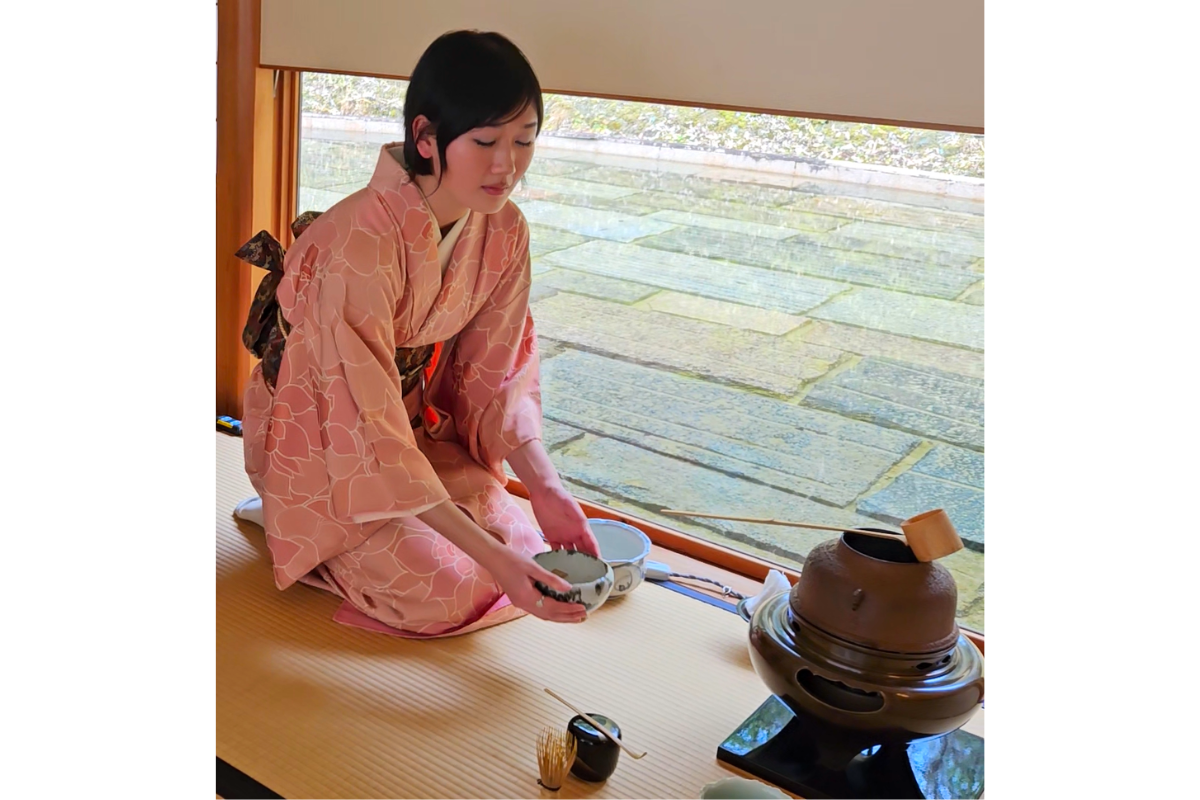
彼女はピンクの着物に、美しい帯を締めていました。どちらも、彼女自身が選んだものです。この日は、彼女にとって特別な一日でした。はるばるアメリカから来た彼女は、ワークショップのあいだ、素敵な茶碗をつくることに打ち込んできました。そして今、その作品がついに、本来あるべき場所へと迎え入れられようとしていたのです。茶碗が本当の意味で完成するのは、そこにお茶が満たされたときだけなのですから。
She was dressed in a pink kimono and a beautiful obi, the wide sash worn over it. She had chosen them herself. This was her day. Having travelled all the way from America, she had dedicated herself to crafting beautiful bowls during the course; now, those creations were about to enter their rightful space. The true fulfilment of a tea bowl occurs only when it is filled with tea.
多治見のセラミックパークMINOにある、「懸舟庵」と名付けられた茶室で、彼女は自らの手によって、自分の茶碗がその役目を果たす瞬間に立ち会おうとしていました。浅い池の上に浮かぶこの茶室は、周りが水に囲まれていることから、その名がつけられたといいます。窓の外では陽の光を受けた水面がきらめき、揺れる光と影を、畳の上へと絶えず映し出していました。部屋にいた誰もが、彼女の一挙手一投足を見つめながら、この経験が美濃焼の奥にある、もっと深い何かを教えてくれることを、心のどこかで願っているようでした。
At the Ceramic Park in Tajimi, inside the tearoom known as the Anchored Boat, she was on the verge of witnessing the fulfillment of her own bowl’s purpose, guided by her own hands. The floating tearoom, situated on a shallow pool, earned its name from being entirely surrounded by water. Outside the window, the sunlit water glimmered, casting shifting ripples of light and shadow across the interior tatami floor. All eyes in the room traced the student’s actions, collectively hoping this experience would reveal a more profound significance within Mino pottery.
美濃とは、名古屋にほど近い岐阜県の、この地域一帯を指す古くからの呼び名です。多治見の町は、その美濃にあり、千年にわたる焼き物づくりの歴史を受け継いでいます。これまで海外からの訪問者には、あまり知られていませんでしたが、近年では美濃焼づくりを学ぼうと、多治見の窯元を訪れる愛好家が、少しずつ増えてきています。
Mino, in Gifu Prefecture near Nagoya, is the historical name for this region of Japan. It is home to Tajimi, a town boasting a millennium-long heritage of pottery production. Although previously overlooked by most international visitors, a growing number of enthusiasts are now journeying to Tajimi’s workshops to master the craft of creating Mino ware.
すべてがひとつに集まる場所、それが日本の茶の湯なのだと思います。茶の湯は時の流れをゆっくりとさせ、わたしたちに茶碗をじっくりと眺める余裕を与え、いま、ここに誰かと共にいるという瞬間を、心ゆくまで感じさせてくれます。あの慎ましい茶碗は、一見すると、苦いお茶を飲むための手の込んだ作法の中心にあるだけのように見えるかもしれません。けれど、もう少し目を凝らしてみると、また違ったものが見えてきます。お茶を点てる亭主の、無駄のない所作。指先に伝わる、ほんのわずかな土の粗さ。掛け軸に滲んだ墨の色。障子を通して差し込む光が、雲の通過とともにふっと翳る様子。そして、畳の上で自分のかたわらに息づく、ほかの人々の気配。
The Japanese tea ceremony is where it all comes together: it slows down time long enough to let us admire the bowl and to feel, fully, the moment of being together. That humble bowl becomes the centre of a choreography that, at first glance, looks like an elaborate way to drink bitter tea. Watch a little longer, and you see something else: the careful economy of the host’s movements as she whisks the tea; the slight roughness of the clay against your fingertips; the ink on the hanging scroll; the way the light piercing the paper in the sliding doors dims as a cloud passes; the presence of other bodies breathing beside you on the tatami.
お茶の先生に優しく導かれながら、生徒は数々の作法をひとつひとつこなしていきました。棗の実の形をした、漆塗りの茶入れを畳の上から持ち上げる彼女の手が、わずかに震えているようでした。そしてそれは、起こってしまったのです。鮮やかな緑の抹茶の粉が、あっという間に、彼女の着物と畳一面に散らばってしまいました。
With some gentle nudging from the tea master the student worked through the many ritual steps. I noticed her hand shaking as she lifted the small natsume, a lacquered caddy, jujube-shaped, from the tatami floor. And then it happened. The fine green powder inside was suddenly all over her kimono and the floor.
部屋は一瞬にして騒然となり、周りにいた係の女性たちが驚きの声をあげながら、彼女のもとへと駆け寄りました。畳と着物についた緑の粉を拭き取ろうと、誰かが慌てて台所へ道具を取りに走ります。けれどそのときにはすでに、鮮やかな粉は着物の繊維の奥深くにまで染み込み、畳の目の細かなすきまにも入り込んでしまっていました。
The room instantly shifted into motion as the student’s assistants shrieked and swarmed toward her, causing quite a stir. In a scramble to clean the fine green powder from both the tatami floor and her kimono, someone darted into the kitchen for supplies. By then, however, the vibrant dust had already sunk deep into the garment’s fabric and settled into the narrow crevices of the woven mats.
女性たちは手早く動き、拭いては清めを繰り返しました。その間、生徒はどうすることもできず、顔を赤らめながら、ただ周りを見つめるばかりでした。これは、まぎれもない「中断」でした。茶の湯とは、完璧であるべきものなのでしょうか。それとも、そうでなくてもよいものなのでしょうか。畳の上を揺れる光と影は、そんなことなど気にも留めていないかのようでした。やがて、茶の湯そのものが、その一瞬をそっと包み込むようにして、また静かに流れはじめました。
The women moved quickly, wiping and cleaning, while the student looked around helplessly, her face red with embarrassment. This was, without a doubt, an interruption. Should the ceremony be flawless, or should it not? The play of light and shadow across the floor did not seem to mind. Soon enough, the ceremony itself had consumed the moment and moved on.
いま、あなたが手にしているもの
What you are actually holding
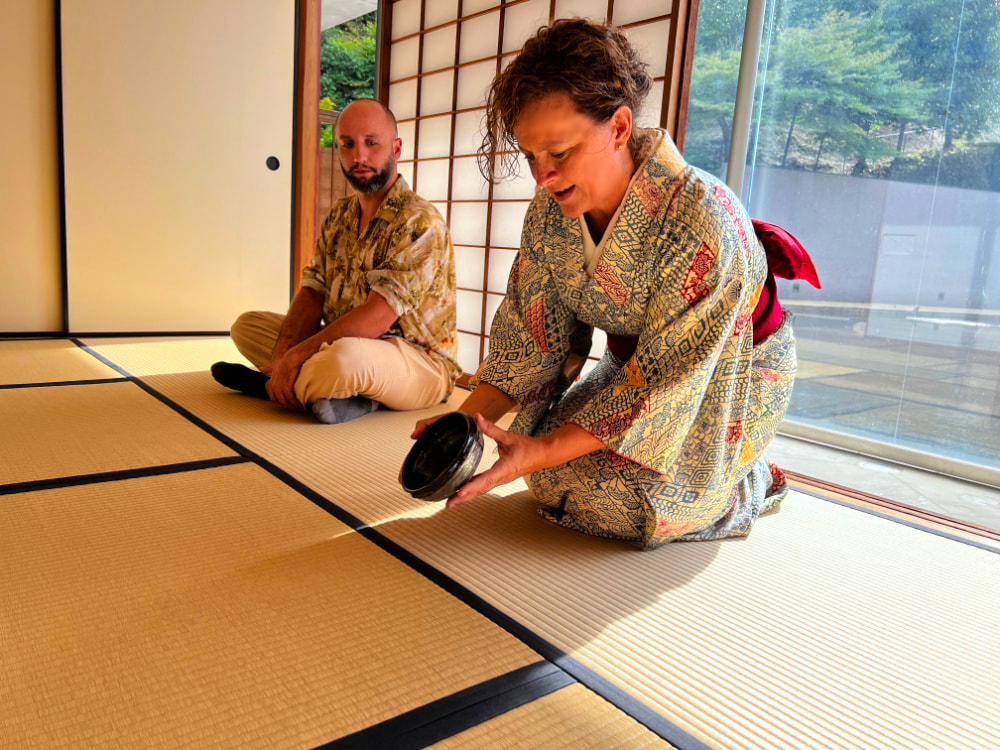
茶室という親密な空間の中で、茶の湯は日本の文化と焼き物とを、ひとつの場所へと静かに溶け合わせます。時の流れが止まったように感じられ、ひとつひとつの瞬間が、かけがえのないものとして立ち現れます。この儀式は、いくつもの丁寧な所作を通して進んでいきます。お茶を丁寧に準備し、点て、それを差し出す所作。お茶をいただく所作。少人数の客のあいだで交わされる、決まった形の会話。そして、三口でお茶をいただく前に、茶碗を静かに回す所作です。
Within the intimate confines of the teahouse, the tea ceremony elegantly fuses Japanese culture and pottery into a single space where time feels suspended and every moment is rendered precious. This ritual unfolds through a series of deliberate actions: the meticulous preparation and presentation of the tea, the act of drinking it, the formalised dialogue shared among the few guests, and the ritual rotation of the teabowl before the tea is consumed in three sips.
「これは『禅』なのですか?」と、よく尋ねられます。わたしがお話をうかがう僧侶の方々は、その言葉に、少し肩をすくめてみせます。禅とは教義というよりも、ひとつひとつの瞬間に向き合う姿勢のようなものだ、と彼らは言います。何かを付け加えることもなく、何かを差し控えることもない。多治見では、その姿勢が、寺の庭から茶室を通り、そして再び窯や、轆轤の上の粘土のかたまりへと、ひとつながりに流れているのです。
People often ask if this is “Zen.” The priests I talk to shrug at the word. Zen, they say, is less a doctrine than a posture toward each moment: nothing added, nothing withheld. In Tajimi, that posture runs from the temple garden, through the teahouse, back to the kiln and the lump of clay on the wheel.
そしてそれは、見過ごされがちですが、茶碗そのものの中にも表れています。焼物は轆轤から生まれますが、茶碗(抹茶碗)は他の器と違い、窯を出た時点では、まだ完成していません。多治見の小名田で作られた、生まれたばかりの淡い色合いをもつ白天目は、何年も使い込まれて初めて、完成へと近づいていきます。貫入(釉薬の細かなひび割れ)にお茶の色がじわじわと染み込み、まるで蜘蛛の巣のような模様を浮き上がらせ、釉のかかっていない高台も、幾年ものお茶を吸い込んで、少しずつ茶色く色づいていきます。陶工の手を離れたあとも、茶碗は変わり続けます。完成するためには、誰かとともに生きられなければならないのです。
それは、器の完成というものを定義する、不思議なやり方です。けれどそれこそが、多治見において、焼き物と禅とをもっともはっきりと結びつけている架け橋でもあります。「簡素さ」や「不完全さ」といった、言葉の上でのつながりよりも、ずっと確かなものです。ここから先は、その架け橋がどのようにして生まれたのかという物語です。
And it shows up in the bowl itself, in a way that is easy to miss. A teabowl, unlike almost anything else that comes off a wheel, is not finished when it leaves the kiln. A Shiro Tenmoku – the pale, locally born tea bowl this valley is known for – isn’t considered complete until it has been used for years, when tea residue has crept into the fine cracks of the glaze and settled into something like a web, and the unglazed foot has browned from years of tea sipping slowly
永保寺 Eiho-ji
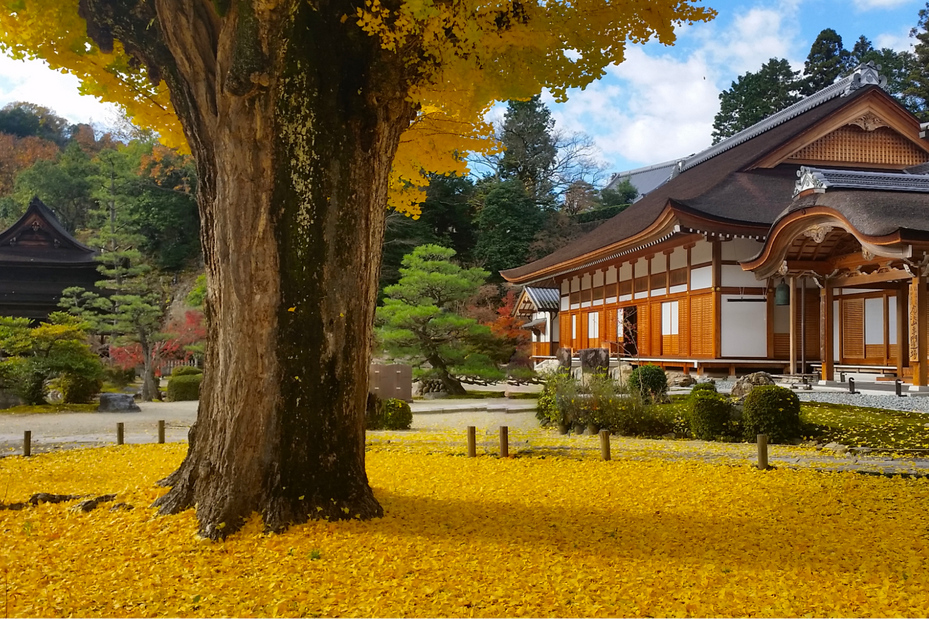
永保寺は、私たちの家から1kmほど下った場所にある、息をのむほど美しい禅寺です。ここに立ち返るたびに、この地の茶碗が、決してただの茶碗ではないのだということを、思い起こせられます。
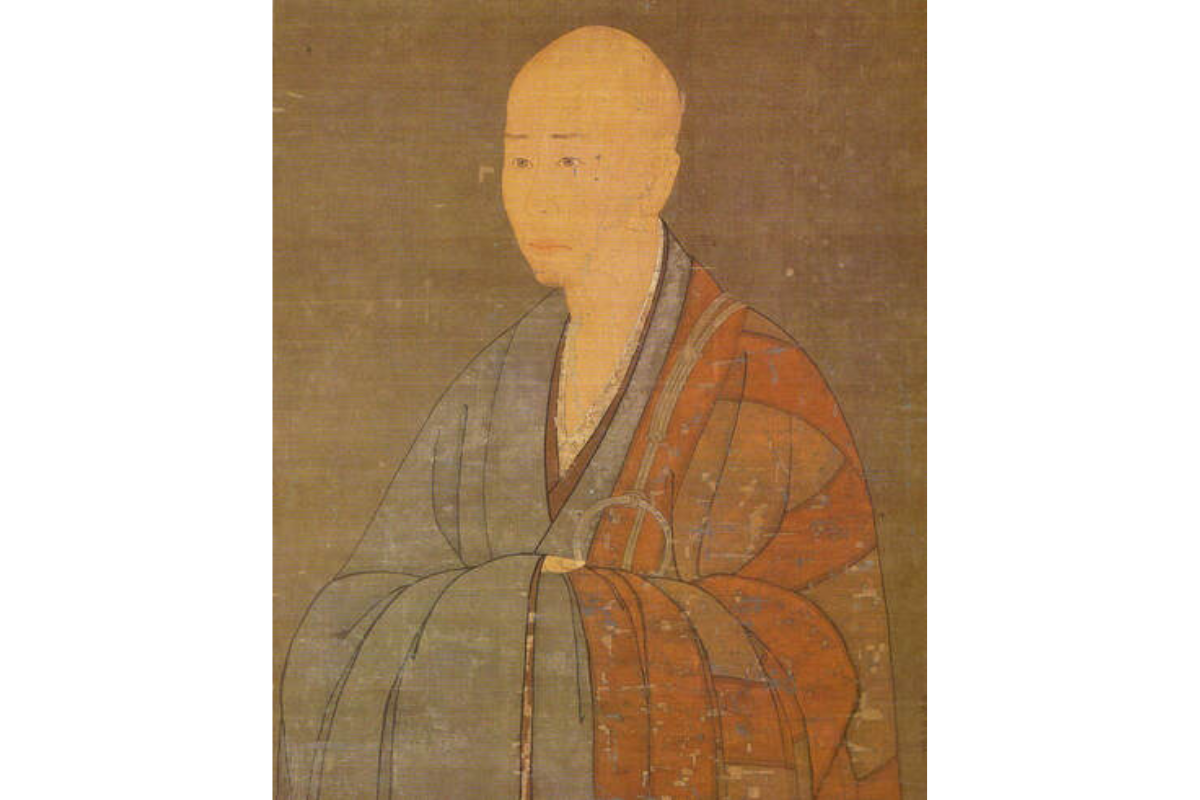
1313年、日本仏教史においてもっとも重要な僧のひとりである夢窓疎石は、当時の領主・土岐頼貞に招かれ、当時「長瀬山」と呼ばれていた美濃国の、ひっそりとした一帯に住まうこととなりました。彼は狭い谷あいに草庵を結び、翌年には観音堂を加え、今なお寺を取り囲むあの庭園を築いていきました。
Eiho-ji, a stunningly beautiful Zen temple a kilometre down the road from our house, is where I keep coming back to when I need reminding why a bowl here is never just a bowl.
In 1313, Musō Soseki – one of the most consequential Buddhist monks in Japanese history – was invited by the local lord, Toki Yorisada, to settle in a secluded stretch of Mino province then known as Nagaseyama. He built a hermitage in a narrow ravine, added a Kannon Hall the following year, and laid out the garden that still surrounds the temple today.
疎石は、枯山水(石組みによって水のない庭を表す様式 )の設計原理を確立したことで知られ、また「残山剩水」(ざんざんじょうすい)、すなわち「残された山と、十分な水」というわずかな要素によって、限られた空間の中に広大な風景を思い描かせるという考え方をもたらした人物でもあります。彼自身の著作の中で、庭を形作ることは装飾ではなく、禅の修行そのものであると説いています。石を一つ置くという行為は、座禅を組むことに並ぶ、ひとつの修行なのだと。露わになった岩盤や、滝、池をたたえる永保寺の庭を歩いていると、疎石は自然そのものを表現しようとしたのではなく、むしろ、ある人がふと立ち止まり、世界を語ることをやめてしまうような、そんな感覚を、そっと整えようとしたのではないかという気がしてきます。
Soseki is credited with cementing the design principles of karesansui, the dry rock garden, and with introducing zanzanjōsui – the idea of using “remaining mountains and surplus water” to suggest a vast landscape within a small, bounded space. In his own writings he argued that shaping a garden was not decoration but Zen practice itself: the placement of a stone was no less a discipline than sitting in meditation. Walking through Eiho-ji’s garden, with its exposed bedrock, waterfalls and pond, you sense that Soseki was not trying to represent nature so much as to arrange the conditions under which someone might, for a moment, stop narrating the world to themselves.
禅の講話 The Zen lecture
6月、私は何とも本格的な集まりへ招かれました。それは接心といい、寺での修行期間中に行われ、修行僧たちに課されている日課にしたがって座禅をし、食べ、働くというもので、また老師による講話もありました。私は友人であり、高名な陶芸家でもある青山双溪さんとともに、その場へ向かいました。若い僧がひとり、大きな太鼓を打ち鳴らします。ときにゆっくりと、やわらかく、ときには力強く、まるで催眠術にかかりそうな、不規則なリズムを刻みながら……それは拍というより、音の満ち引きのようでした。老師が入堂し、仏像の前で五体投地をしてから、一段高い椅子に腰をおろし、雲門の「光明」として知られる、古い中国の公案を読みあげはじめました。
In June I was invited inside for something closer to the real thing: a lecture given by the abbot, or roshi, during a sesshin, the residential retreat where monks in training sit, eat and work to a strict shared schedule. I went with my friend, the master potter Sokei Aoyama. A young monk struck a large drum, sometimes slow and soft, sometimes hard, in an almost hypnotic, irregular rhythm, more like a sonic tide than a beat. The roshi entered, prostrated himself before the Buddha statue, climbed onto a raised chair, and began to read a classic Chinese koan known as Ummon’s “Light”:
雲門、垂語して云く、「人人(にんにん)盡(ことごと)く光明の在る有り。看る時は見えず暗昏昏(あんこんこん)たり。作麼生(いかなる)か是れ諸人(しょにん)の光明」。自(みずか)ら代って云く、「廚庫(ずく)、三門」。又た云く、「好事は無きに如かず」。
Yunmen said to the assembly: “Everyone has their own light. But when you try to see it, it’s dark and unclear – what is this light of each person?” No one answered, so he answered for them: “The kitchen hall, the main gate.”
言葉の一つひとつは理解できても、全体としては何も理解できませんでした。けれどそれは、翻訳がうまくいかなかったから、というわけではありません。むしろ、それこそが肝心なところなのです。公案とは、底のほうに隠された答えを探し出すための謎かけではありません。普通の思考ではたどり着けないように作られているのです。その意味を一生懸命考えて、考えて、考えすぎて、すっかり精魂使い果たしたとき、探し求めることをやめ、心を解放して、期待していたものではなく、いま目の前にあるものを、ただそのまま見つめられるように。
I understood every word and understood nothing. That gap is not a failure of translation – it’s the point. A koan isn’t a puzzle with a hidden answer waiting at the bottom; it’s built to be un-arrivable-at by ordinary thinking, so that the mind, having exhausted its usual tools, might simply stop reaching and see what’s in front of it instead of what it expects to be there.
庭のどこかで、一匹の牛蛙が、まるで間違った演奏会に迷い込んでしまったチューバ奏者のような、無遠慮な鳴き声で、老師の声を何度もさえぎっていました。あとになって気づいたのですが、あの蛙のほうが、私よりもよほど良き禅の弟子だったのかもしれません。蛙は静かにしようとしていたわけではなく、かといって静かにできずに困っていたわけでもありません。ただ、そこに守るべき決まりがあるということを、そもそも知らなかっただけなのです。
Somewhere in the garden, a bullfrog kept interrupting the roshi’s voice with the flat insistence of a tuba player who has wandered into the wrong concert. It realised later that the frog made a better Zen student than I did. It wasn’t trying to be silent, and it wasn’t failing to be silent either. The frog simply had no idea that a rule existed.
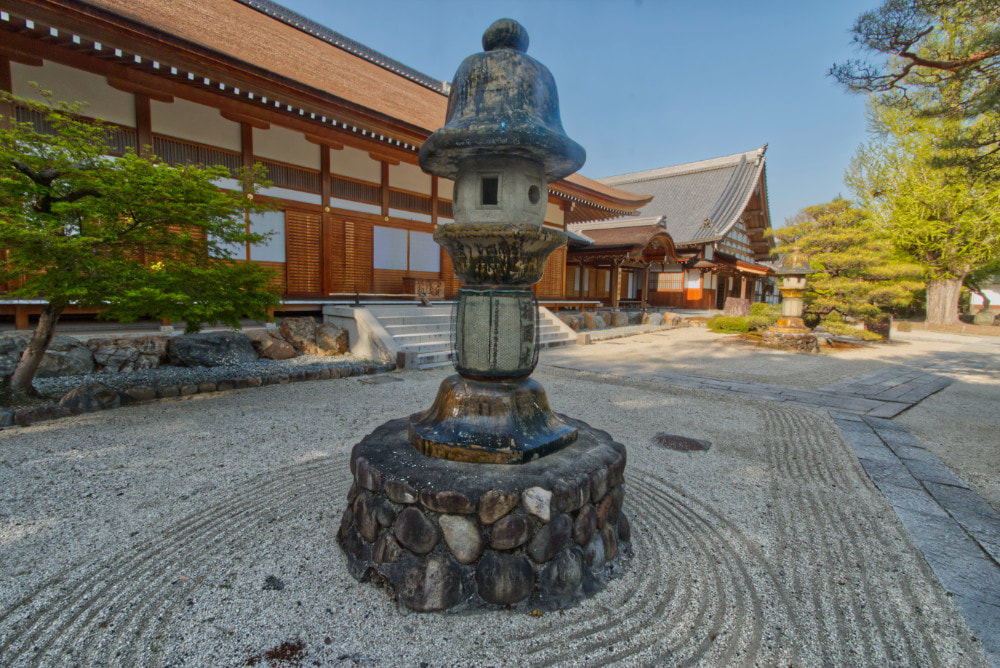
そして荘厳な永保寺でも、陶芸を讃えている場所がありました。本堂の前に並ぶ石灯籠は、通常であれば花崗岩から彫り出されるものですが、ここにあるものは珍しく陶製です。作られた当時、多治見には、これほどの大きな灯籠を焼ける窯がなかったので、隣町で焼かれたそうです。
Even Eiho-ji, for all its discipline, has made room for clay. The stone lanterns, or toro, standing in front of its main hall are traditionally carved from granite, but these are ceramic, fired in a neighbouring town, since Tajimi itself had no kilns large enough.
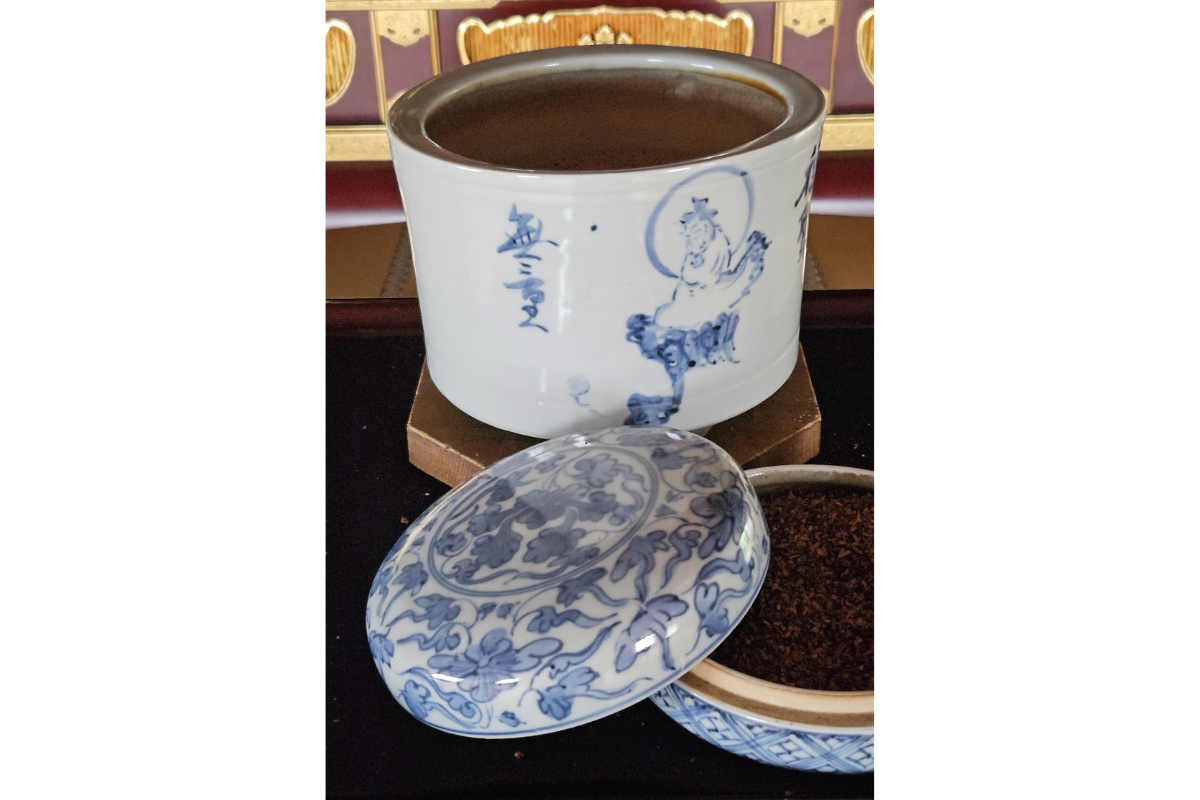
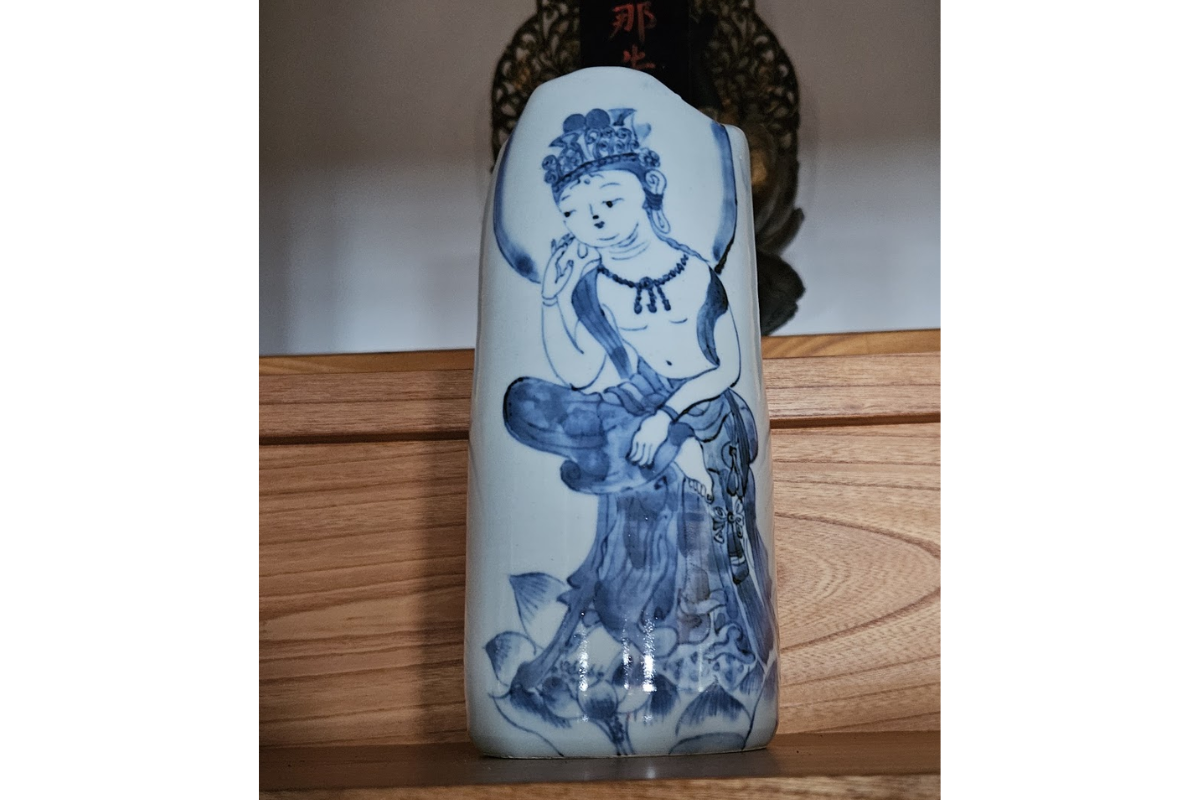
禅と焼物の結びつきは、寺院の中に足を踏み入れると、さらに深いものであることがわかります。永保寺に属する塔頭寺院の一つである徳林院には、祭壇の前に染付の香炉と香合が置かれています。通常は磁器に用いられる藍色の下絵付けが施されているのですが、これに使われている白地の粘土は陶土で、大萱(永保寺からほど近く、青山氏と私たちが暮らしているエリア) だけにみられる、白く焼き上がる土です。僧侶たちは、法要や読経、お供えのときに、この香入れから香をすくいます。その側面には、丸い目をした、法衣をまとって座す人物が描かれています。おそらくそれは達磨(インドから中国へ禅を伝えたと言われる、半ば伝説的な僧)なのでしょう。歴史上の人物としてというよりも、直接的な経験そのものを語るいくつもの譬え話として、いまも語り継がれている存在です。
It runs deeper once you step inside. At the nearby Tokurin-in temple, a sometsuke incense canister sits in front of the altar: white clay painted in the cobalt-blue underglaze usually reserved for porcelain, though here the material is Onada clay, a white-firing clay unique to the village a few minutes from Eiho-ji where Aoyama and I both live. Priests use it to scoop incense during services, sutra readings and offerings. Painted on its side is a seated, round-eyed, robed figure who may be Bodhidharma – the semi-legendary Indian monk credited with carrying Zen from India to China, remembered less as a documented historical figure than as a set of parables about direct experience.
お茶が、粘土のもとへたどり着くまで
How the tea reached the clay
その譬え話のひとつが、茶と禅とがなぜ千年ものあいだ、こんなにも深く結びついてきたのかを、遠回しに教えてくれます。伝えられるところによれば、達磨は少林寺のほど近くにある洞窟で、九年ものあいだ、壁に向かって座禅を組んでいました。ある日、彼はうたた寝をしてしまいます。自分自身に激しく腹を立てた達磨は、自らの瞼を切り落とし、地面に投げ捨てたと言われています。すると、それが落ちた場所から、最初の茶の木が生えてきたのだと伝えられています。これは事実というより、起源にまつわる伝説にすぎません。けれど、そこに込められた意味ははっきりとしています。お茶とは、自分の内側に閉じこもってしまわないよう、いま、実際に起きていることに対して、目を逸らさずにいるためのものだったのです。
One of those parables explains, in its own roundabout way, why tea and Zen have been tangled together for over a thousand years. Bodhidharma, the story goes, spent nine years meditating facing a wall in a cave near the Shaolin Monastery. One day he dozed off. Furious with himself, he is said to have cut off his own eyelids and thrown them to the ground – and where they landed, the first tea plant grew. It’s an origin myth, not a fact, but it states its purpose plainly: tea was for staying awake to what’s actually happening, not drifting into your own head.
それから何世紀ものちに、夢窓疎石は、弟子たちがその教えを取り違えてしまったのではないかと、案じていたようです。「禅理を究めるために方丈や僧堂に集まった僧侶たちが、菓子を食べ、お茶をすすり、たわいもない話にふけりながら一日を終えてしまうのは、たいへんよろしくないことである」と、彼は書き記しています(※) 。ちいさな、どこか微笑ましい嘆きではありますが、そこにはひとつの確かな事実が示されています。14世紀にはすでに、禅の名匠が案じるほどに、お茶が禅寺の中でありふれたものになっていたということです。ではいったい、お茶を注ぐあの茶碗は、どのようにして大萱の窯でつくられるようになったのでしょうか?その問いが、それ以来ずっと私の心を離れずにいます。
Centuries later, Musō Soseki seems to have worried his monks had got the lesson backwards.
“It is very bad for monks who have gathered in the abbot’s or monks’ rooms for religious purposes,” he wrote, “to end the day eating cakes, sipping tea, and indulging in frivolous conversation.”* It’s a small, almost comic complaint, but it tells us something concrete: by the fourteenth century tea was already common enough inside Zen temples to worry a Zen master. Which raises the question that has occupied me since – how did the ware that held it come to be made by the kilns of Onada?
その問いを、青山双溪さんに投げかけてみました。彼の工房の「草の頭窯」は、父であり陶画家でもあった青山禮三さんの代から、永保寺と深いつながりを持ってきました。「日本の仏教寺院には、多くの茶道具が所蔵されていました。茶の湯と禅のあいだには、もともとつながりがあったからです。」と、彼は語ってくれました。「その伝統は、寺々のあいだを行き来する僧侶たちを通じて、大萱にまで伝わってきたのだと思います。永保寺のようなお寺は、古くから全国に広がるネットワークの一部です。永保寺は京都の南禅寺ともつながりがありますから、京都の僧侶たちが、茶の湯と洗練された茶道具を、ここまで運んできたのかもしれませんね」
I put that to Sokei Aoyama, whose workshop, Kusanokashiragama, has ties to Eiho-ji going back to his father, Reizo, the pottery painter. “Buddhist temples in Japan possessed many tea utensils, since there was a connection between the tea ceremony and Zen,” he told me. “I believe the tradition arrived at Onada by way of monks travelling between temples. Temples like Eiho-ji are part of a nationwide network. The temple is connected to the Nanzen-ji in Kyoto, so those Kyoto monks may have brought the tea ceremony and sophisticated tea utensils here.”
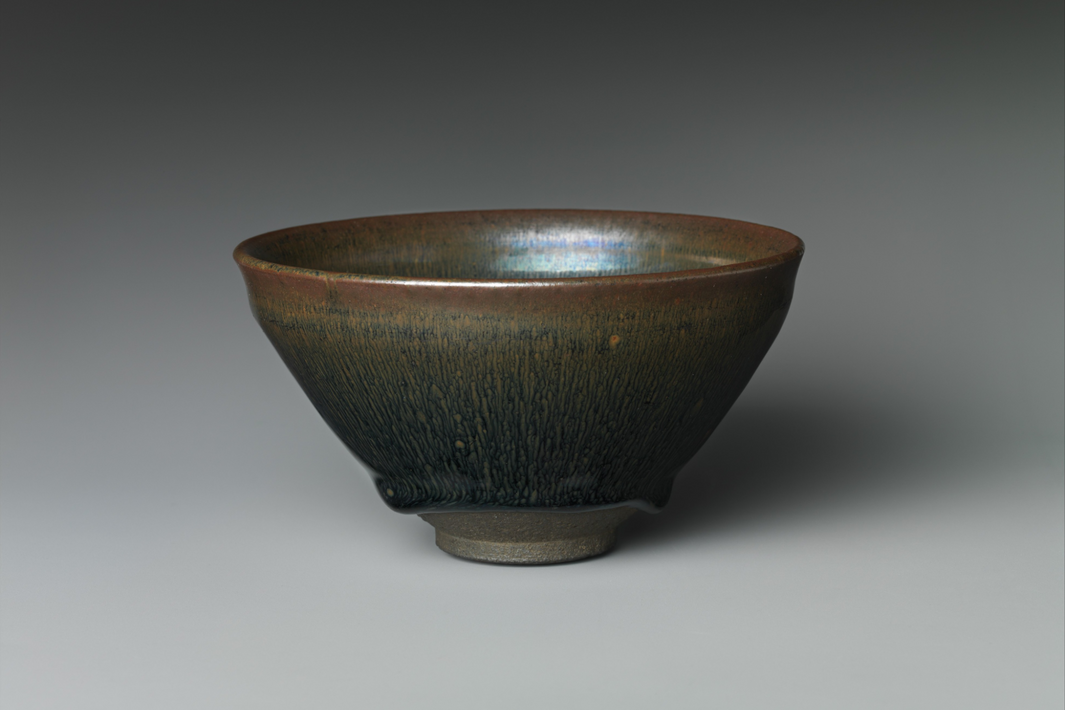
茶碗もまた、同じ道をたどってやってきました。中国の天目山のあたりで学んだ日本の僧侶たちは、そこで使われていた黒釉の天目茶碗を、いくつか持ち帰りました。焼き物のお土産というよりも、修行そのものの記念としてです。それから一世代のうちに、日本各地の陶工たちが、それを再現しようと試み、そしてもっとも実りある形で、失敗を重ねていきました。大萱の粘土は、建盞に使われた鉄分の多い石とは、同じようには出来上がってくれません。焼き上がりは淡く、粗く、むらのあるものになりました。けれどそこから生まれたのは、失敗した模倣品ではありませんでした。それは白天目……異国から入ってきた理想像と、足もとにたまたまあった粘土とのあいだの隔たりから生まれた、まったく新しい茶碗だったのです。「当時、中国の天目を模してつくろうとする過程のどこかで、独自の形が生まれたのだと思います」と青山さんは言います。「白天目は、そのようにして生まれたにちがいありません。そしてそれは、この大萱の地で起きたことだったのだと、わたしは信じています」
もし彼の言うとおりだとすれば、私がずっと引こうとしていた、寺と窯と茶の湯とを結ぶ線は、実は一本の線などではなく、複雑な人と文化の往来を表すものだったのかもしれません。
The bowls came the same way. Japanese monks who studied near Mount Tianmu in China brought home a few of the black-glazed tenmoku bowls used there for tea – less as souvenirs of pottery than as souvenirs of practice. Within a generation, potters across Japan were trying to reproduce them, and failing in the most productive way possible. The clay in Onada village wouldn’t behave like Jian ware’s iron-rich stone. It fired paler, rougher, less even. What came out the other side wasn’t a failed copy. It was Shiro Tenmoku: a new bowl, born from the gap between an imported ideal and the clay that happened to be underfoot. “Somewhere in the process of producing replica Chinese tenmoku in those days, a native form was born,” Aoyama says. “I believe the Shiro tenmoku must have come into existence this way, and that it happened here in Onada.”
If he is right, the line I’d been trying to draw between temple, kiln and tea ceremony was never really a line – it was foot traffic.
工房のワークショップにて
The workshop
かつて日本のもっとも権勢を誇った戦国大名や、裕福な商人たちに大切にされたあの茶碗たちのうち、いま残っているのはほんのひと握りにすぎず、それぞれ美術館や個人の収蔵品として、各地に散らばっています。青山双溪さんは生涯をかけて、それらを研究し、どのようにつくられていたのかを調べ、再現しようとしてきました。そしてとうとうそれに成功したのです。
Only a handful of the original bowls survive, once treasured by Japan’s most powerful warlords and wealthiest merchants, now scattered across museums and private collections. Aoyama has spent a lifetime studying them and re-engineering how they were made – and, in the end, succeeding.
彼の成し遂げてきたことは、単なる技術の高さにとどまりません。日々のなにげない行いを通して、彼は永保寺と草の頭窯とのつながりを、ずっと支え続けているのです。老師の講話に熱心に耳を傾け、寺のために焼き物をつくり、接心のあいだには、寺の朝刊まで届けています。その期間、僧侶たちは寺の敷地の中で修行に専念しており、外へ買い物に出ることができないからです。
His accomplishments extended far beyond mere technical skill. He sustains the bond between Eiho-ji and Kusanokashiragama through routine daily actions: he attentively follows the roshi’s lectures, creates ceramic pieces for the temple, and supplies its morning newspaper during sesshin. During these times, the monks are fully occupied within the temple grounds and unable to venture out to purchase them.
ここでもう一度、夢窓疎石の言葉に立ち返ってみたいと思います。石を一つ置くことは、座禅を組むことと同じくらい、ひとつの修行なのだと、彼は説きました。轆轤に向かう青山さんの手を見つめていると、茶碗をひとつ挽くこともまた、それとなんら変わらないのではないかという気がしてきます。
Here we might return to Soseki, who argued that placing a stone was no less a discipline than sitting in meditation. Watching Aoyama’s hands on the wheel, I don’t see why throwing a bowl should be any different.
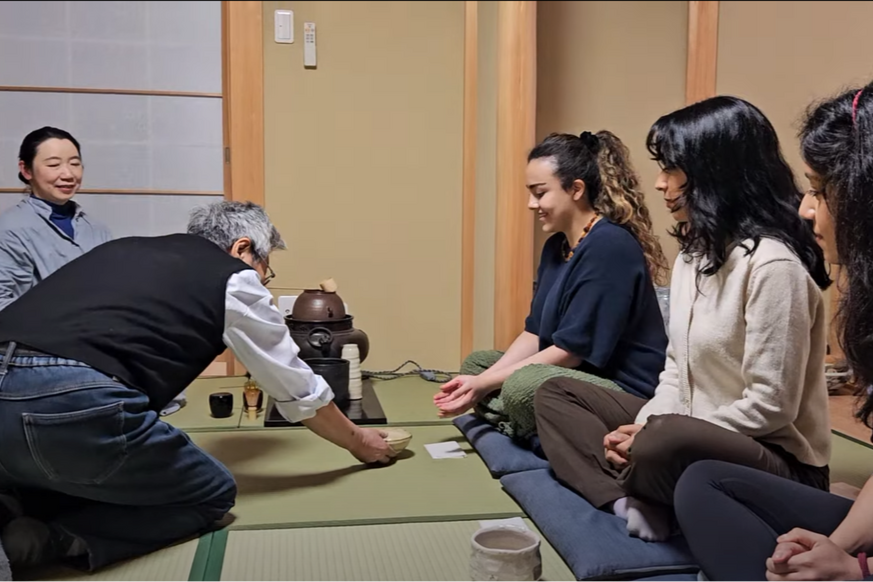
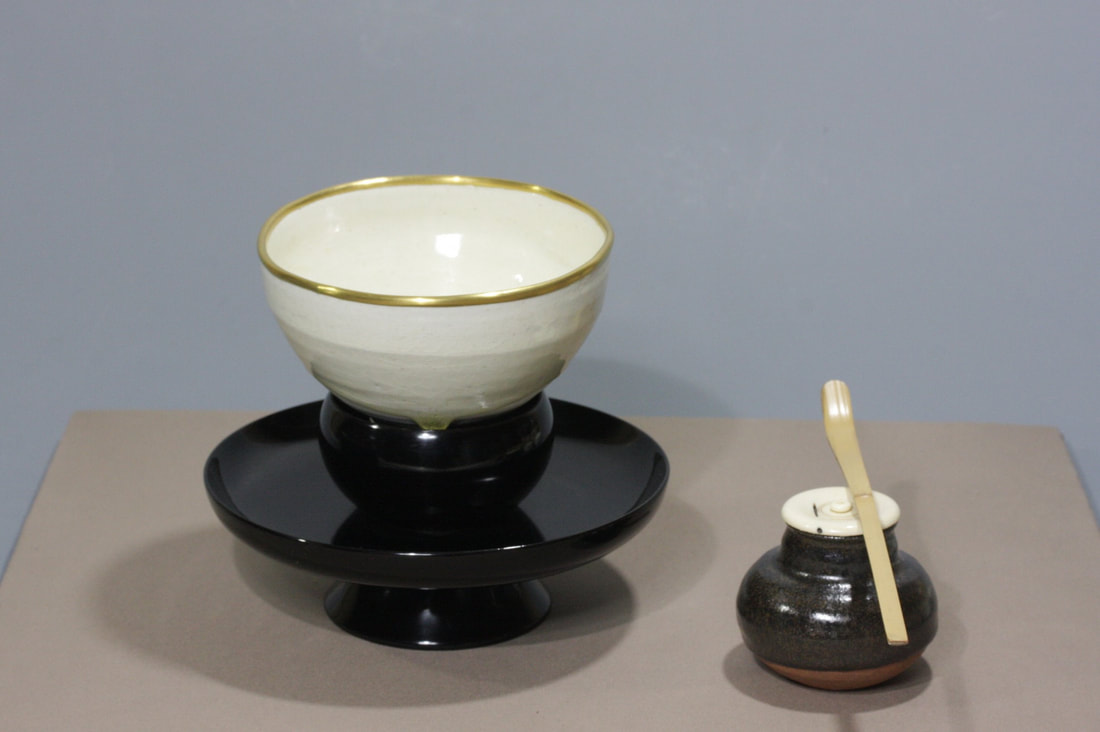
今では、数週間の滞在をかけて美濃焼を学ぼうと、絶えることなく陶芸愛好家たちが、世界中から多治見のいくつかの工房を訪れています。轆轤挽き、手びねり、施釉、そして焼成 ……目当てはさまざまですが、なかでも茶碗づくりに心を奪われる人が少なくありません。そして工房では、生徒たちが数日前に自分の手で挽いたばかりの茶碗を手に、必ず一度は茶の湯を体験できるようにしています。
Today, a steady stream of pottery enthusiasts arrives at the workshop to learn Mino ware for a few weeks at a time, coming from all over the world for throwing, hand-building, glazing and firing. Many fall for teabowl making specifically. And the workshop makes sure every student tries the tea ceremony at least once, holding a bowl they may have thrown themselves days before.
一期一会
One time, one meeting
正式な茶会は、およそ四時間ほどかかり、お茶をいただくだけでなく、その前には食事とお酒の席も設けられます。陶芸家の友人のひとりが、こう話してくれたことがあります。「これは亭主と客の心を、然るべきかたちへと整えるためのものなのです。茶の湯を行うときには、それは日常のなかで起きることではなく、日常を超えたところで起きることでなければなりません。そうして初めて、その意味を悟ることができるのです」
この考え方を伝えたとき、アメリカ人の友人が、こう尋ねてきたことがありました。「どうして茶の湯は、そんなにも複雑でなければならないの?」
A formal ochakai, a tea ceremony, takes about four hours and involves not only tea drinking, but also a big dinner and alcohol preceding the ceremony itself. “This is,” a potter friend of mine said, “is to put the host and guests in the right mind. When you do the tea ceremony it should be something happening not in the ordinary world, but in an extraordinary one. Only then will you realise its meaning.”
Upon sharing this perspective, a close American friend of mine once questioned, “Why must the tea ceremony be so intricate?”
私は自分自身が経験した上で感じたことを、考えを巡らせながら答えました。「あの、ゆっくりとした所作と、細やかに組み立てられた流れは、時間そのものを、そっと引き止めるためにあるのだと思うのです。過ぎていくひとつひとつの瞬間が、そこで、くっきりとした一枚の絵になっていく。その瞬間にこそ、いま、このときが二度と戻ってこないのだということに、わたしたちは気づかされるのです。この狭い空間で、この顔ぶれで過ごす時間は、二度と巡ってこないのですから」
I could only explain it through the lens of my own experience: “I believe the deliberate slowness and careful orchestration serve to suspend time,” I reflected. “Every single passing second transforms into a distinct, still image. In that very instant, you come to understand that this exact moment is fleeting and will never repeat itself – not with this precise level of closeness, nor with these exact companions.”
これは日本語で「一期一会」と表され、しばしば「一生に一度の出会い」と訳されます。たとえ同じ顔ぶれが、また同じ部屋に集うことがあったとしても、そのときの気分や天気、年齢、状況が織りなす、まったく同じ組み合わせは、二度と訪れることはありません。だからこそ、その一回きりの出会いは、大切に慈しまれるべきものなのです。
This is expressed in Japanese as Ichigo ichie (一期一会), usually glossed as “one time, one meeting.” Even if the same people gather in the same room again, that exact constellation of mood, weather, age and circumstance will never recur, and so this particular meeting deserves to be treasured on its own terms.
白天目の内側に広がる蜘蛛の巣のような模様が、誰かの手の中で、年を重ねるごとに色濃くなっていく様子を見るまでは、なかなか気づきにくいことなのですが、あの茶碗もまた、茶の湯とまったく同じことを行っているのです。ひと口、またひと窯ごとに、けっして繰り返されることのない「心を寄せた時間」の記録を、静かに刻み続けているのです。もし一期一会が、ひとつの心のありようを表すことばだとするならば、茶碗とは、その心のありようが十年という歳月を経て、かたちとなって現れたものだといえるでしょう。
What’s harder to see, until you’ve watched the web inside a Shiro tenmoku darken year by year in someone’s hands, is that the bowl is doing the same thing the ceremony is: recording an unrepeatable history of attention, one sip and one firing at a time. If ichigo ichie describes a mindset, the teabowl is what that mindset looks like once it has been used for a decade.
結局のところ、それこそが、儀式としての茶碗と、公案を手にした僧侶とを結ぶ、ひとつの共通の線なのだと思います。どちらも「探し求めることからの解放」という営みなのです。公案は、答えを探し求めることから心を解放します。茶の湯は、もっとよい瞬間を探し求める心を解放します。その瞬間は、ただそれそのものとして、そこにあります。お茶の粉がこぼれてしまったことも、そうでなかったことも。探し求めることが止んだあとに残るもの、それはただこれだけなのです。この茶碗、この人々、この光……いま、そのすべてがここにあるのです。
That, in the end, is the line between the ceremonial teabowl and the monk with his koan: both are an exercise in giving up a search. A koan ends the search for an answer. The tea ceremony ends the search for a better moment. The moment is just what it is – the tea powder spilled, or not. What’s left, once the searching stops, is simply this: this bowl, these people, this light – everything, right now.
WRITER

SHARE


